TRIALS
Run is a psychological thriller short film told through a split-screen format, showing two stories that unfold at the same time but from different perspectives. This project was a collaboration between two crews,
each responsible for one side of the narrative. My main role was editing and post-production, focusing on syncing both stories, keeping the tension consistent, and making sure the film flowed smoothly from start to finish.
Video Editor, VFX Developer
Video Editing, VFX Development
8 weeks
Scroll on section
Editing a split-screen film was challenging because both sides had to move at the same pace while still telling their own story. It was difficult to find a rhythm that felt balanced and connected while keeping the viewer focused and engaged.
Scroll on section
The goal was to create a short thriller that tells two separate but connected stories side-by-side in real time. Each team was responsible for filming and developing one perspective, and together, the two sides had to feel like one complete and cohesive film.
Scroll on section
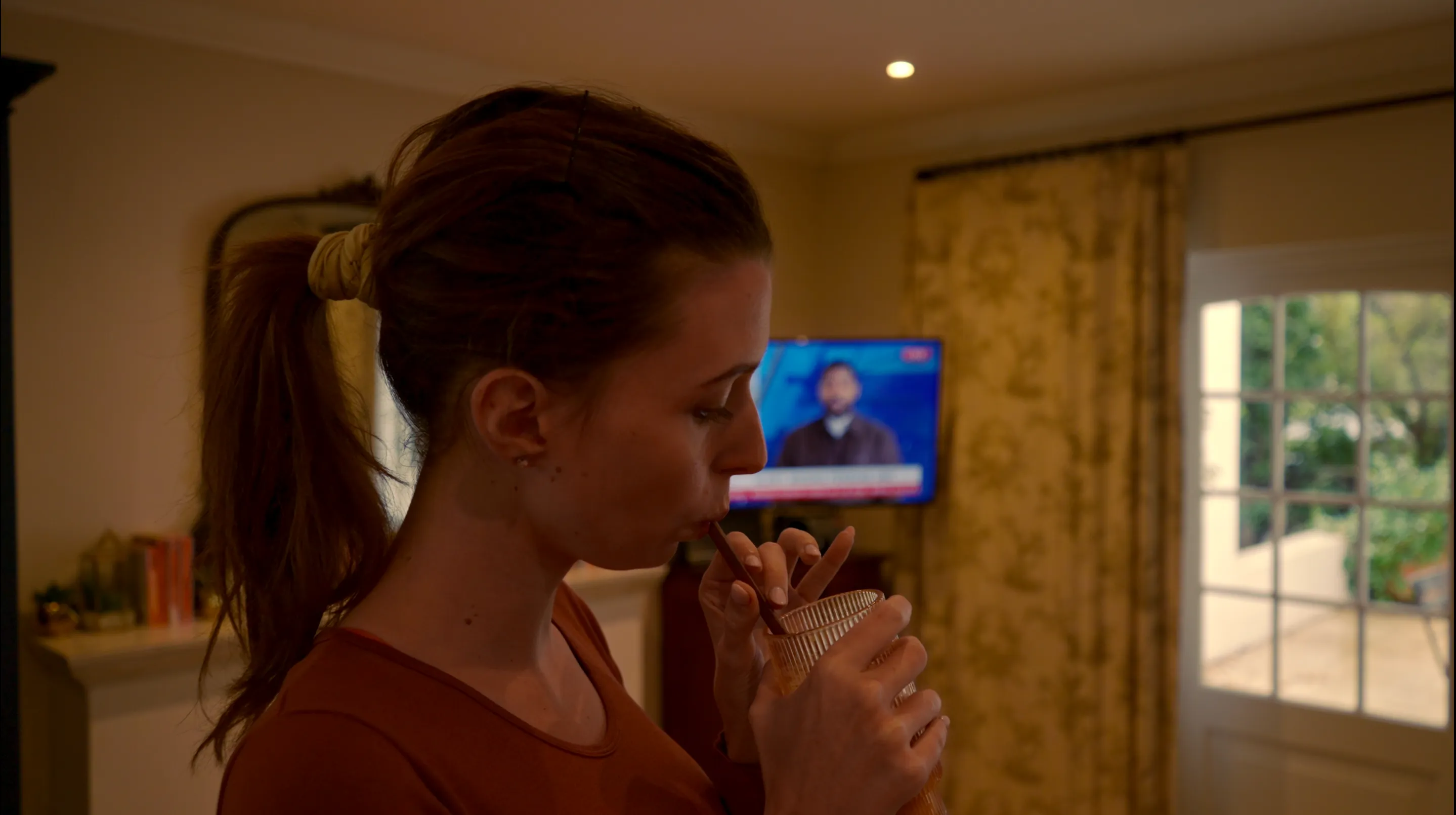
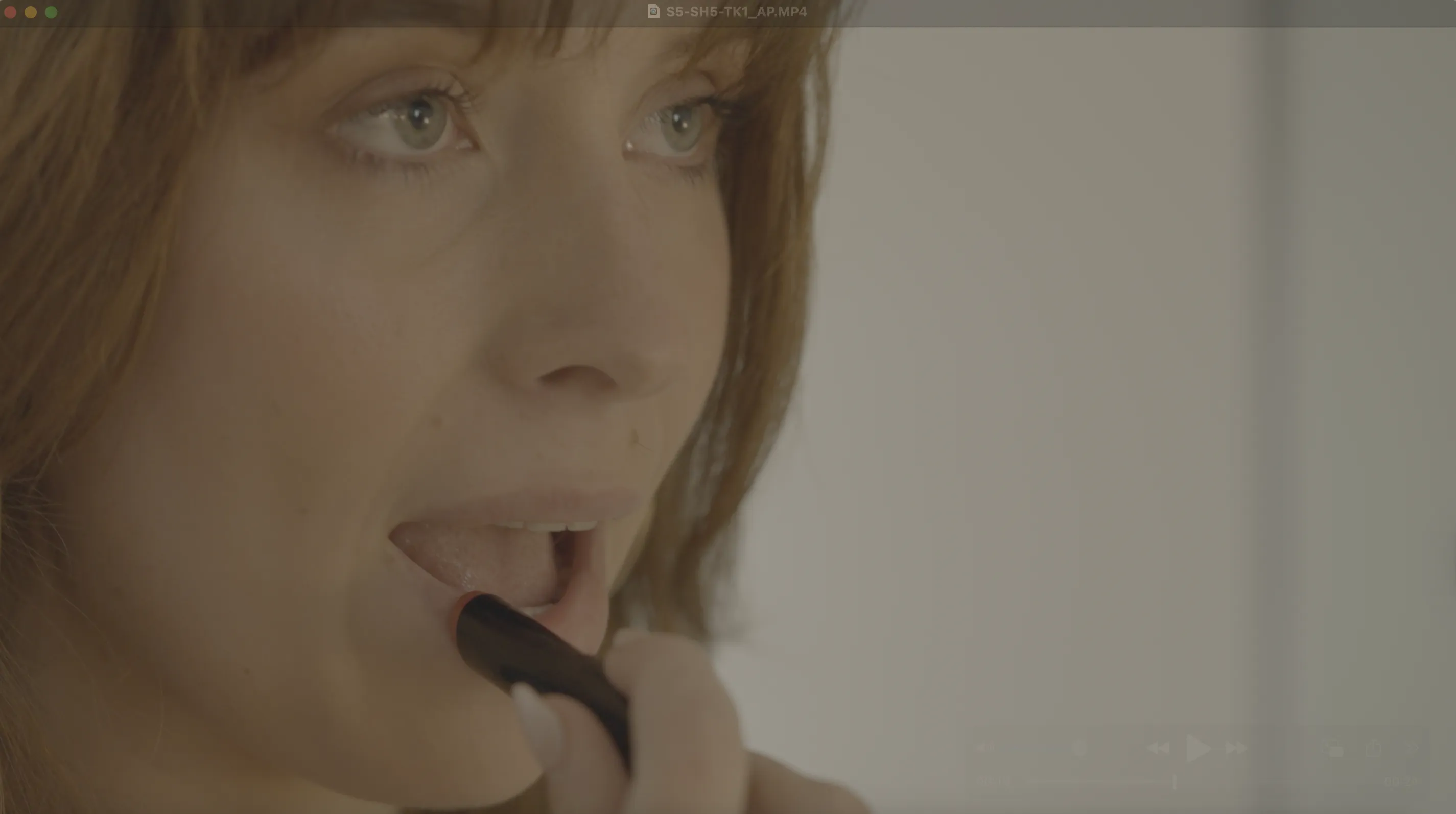
My main focus was editing. I started by putting together the news broadcast sequence that plays during Scene 2, then renamed and organised all of the footage so everything followed the same conventions. I colour-graded all of Mira’s (Armadillo Productions) footage and edited the split-screen scenes (1, 3, 6, and 7) to make sure the actions lined up and the pacing felt natural. I also worked on sound design for Scenes 3 and 7, adding foley and ambient sounds to help build tension and atmosphere.
Scroll on section
The short film was made for people who enjoy psychological thrillers and experimental storytelling especially those interested in split-screen editing and narrative film techniques.
The main aim of Run was to produce a gripping, visually cohesive short film that successfully tells two stories side by side without losing clarity or emotional depth. The goal was to keep both perspectives equally engaging, ensuring that viewers could follow the action on each side while still feeling the tension and suspense that connects them. Another key aim was to refine my technical and creative editing skills, particularly in DaVinci Resolve, by experimenting with colour grading, synchronisation, and pacing to achieve a professional cinematic finish.
The objective was to edit and synchronise both perspectives in a way that maintained tension and balance throughout the film, while creating seamless visual and emotional continuity. I aimed to colour-grade the footage to ensure both sides shared the same tone and atmosphere, design and mix sound effects to strengthen the psychological mood, and deliver a final edit that felt cinematic, cohesive, and immersive from beginning to end.
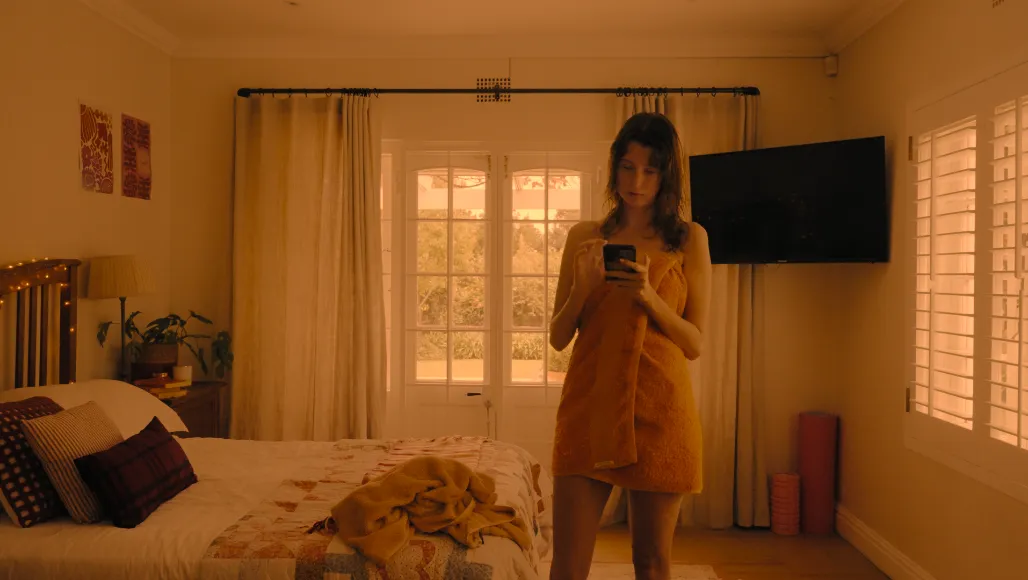
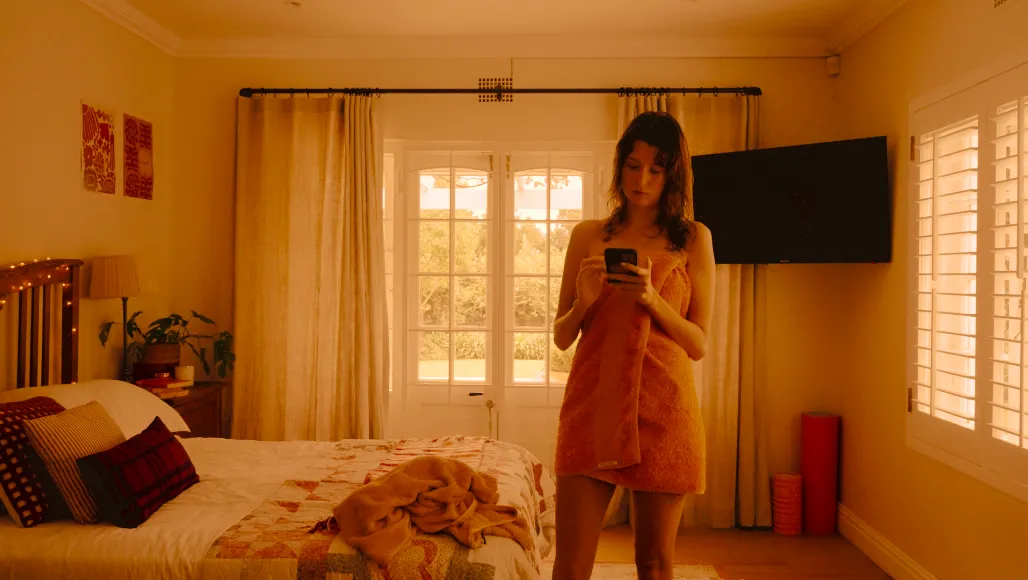
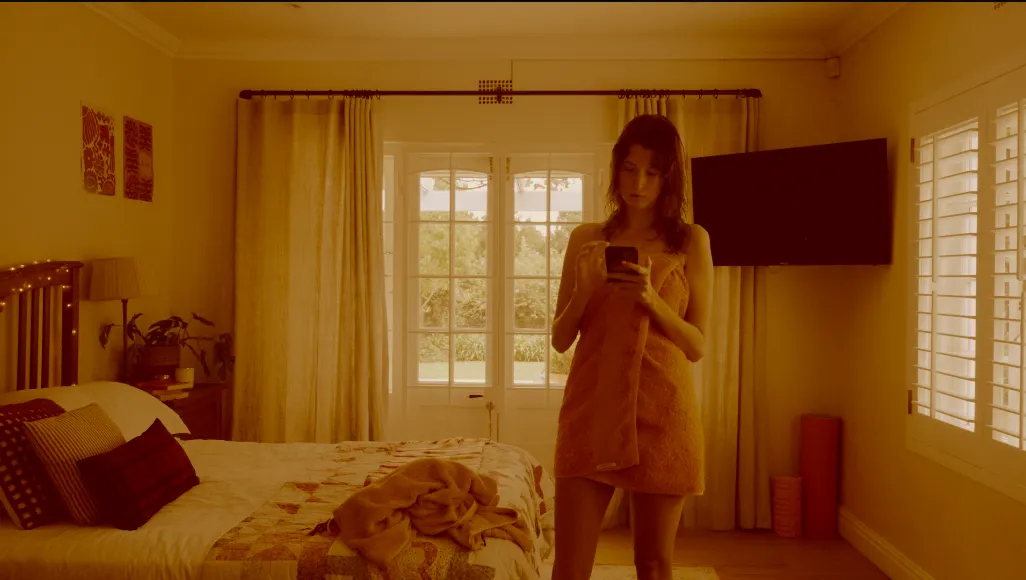
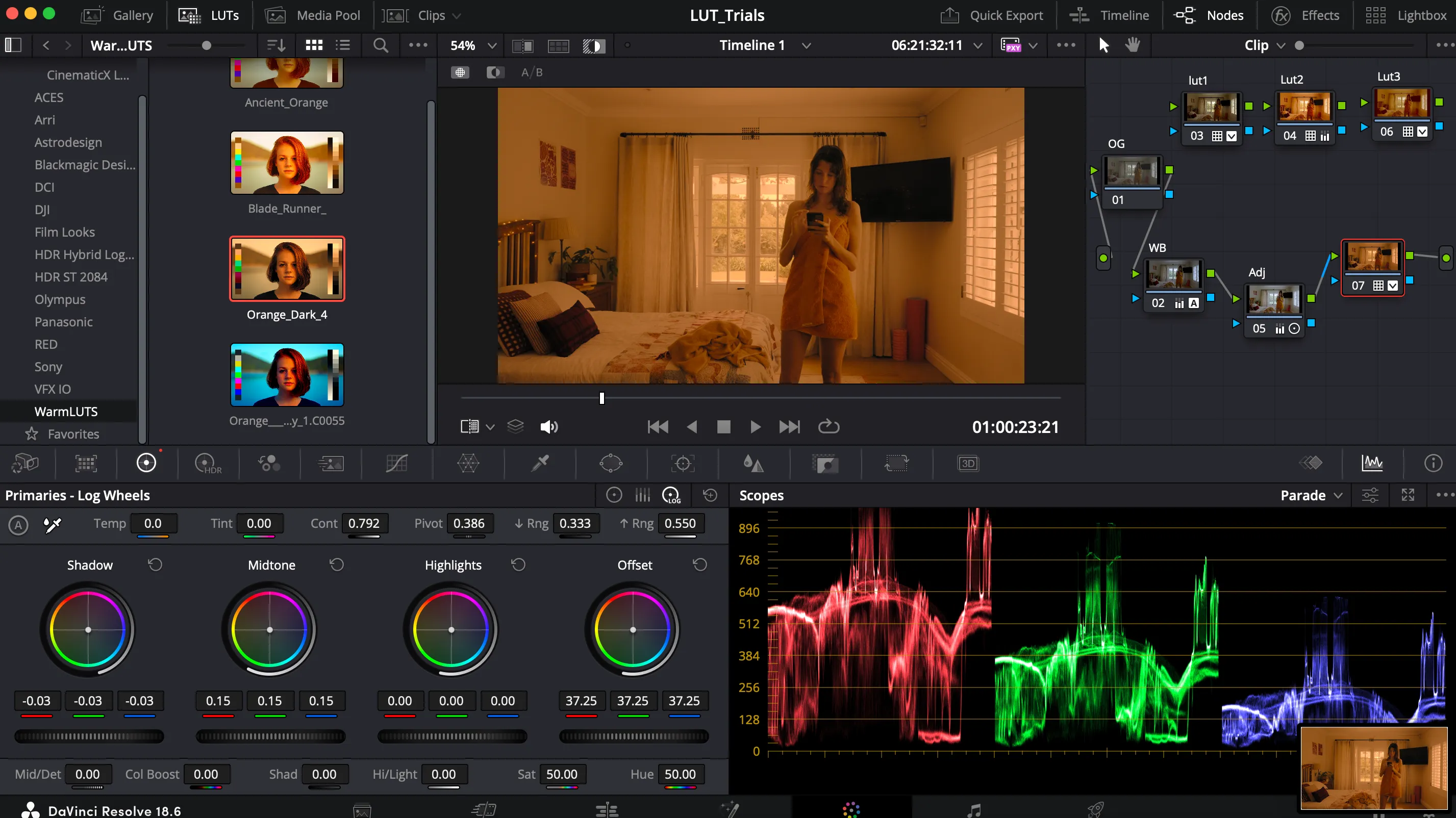
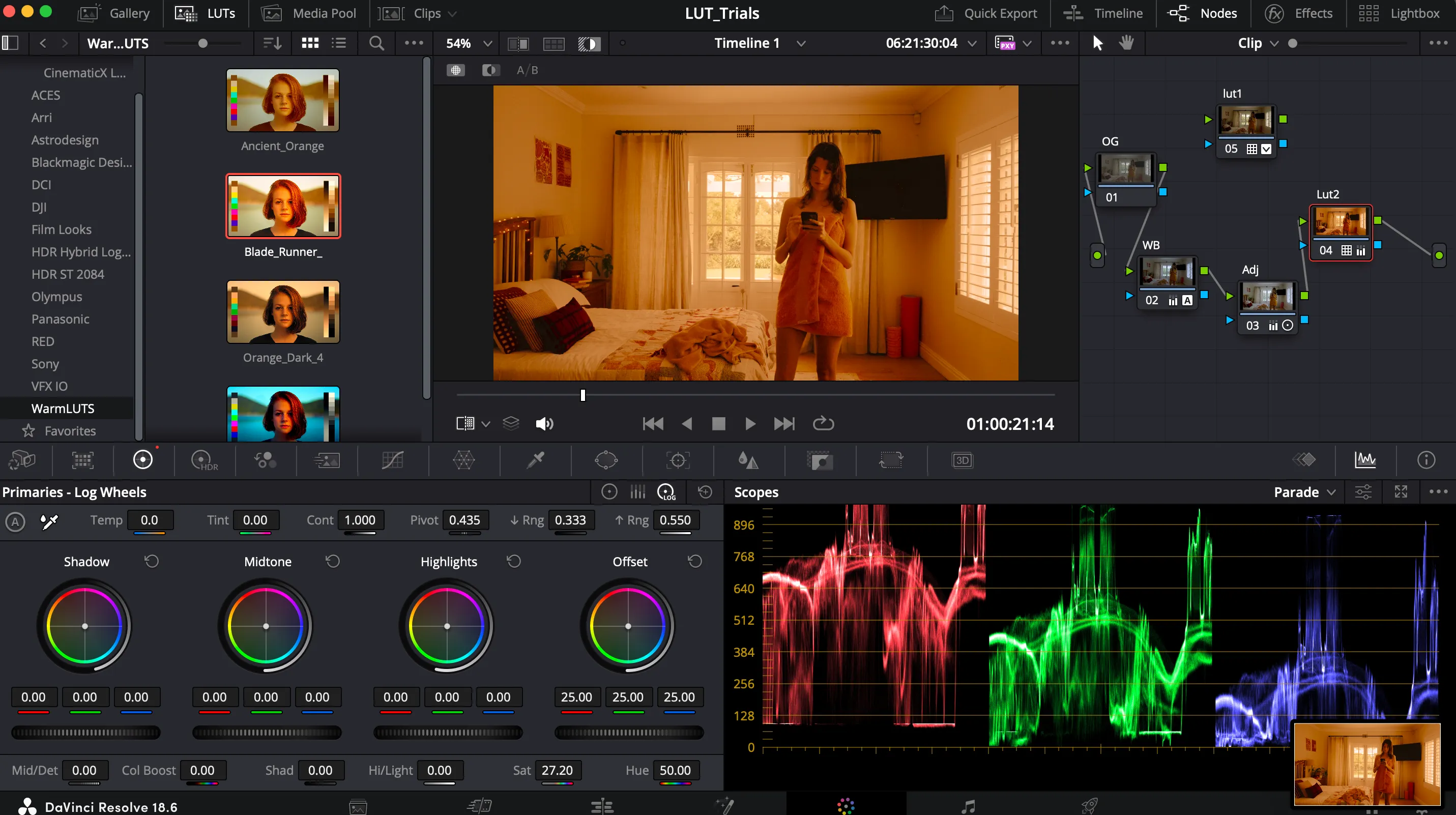
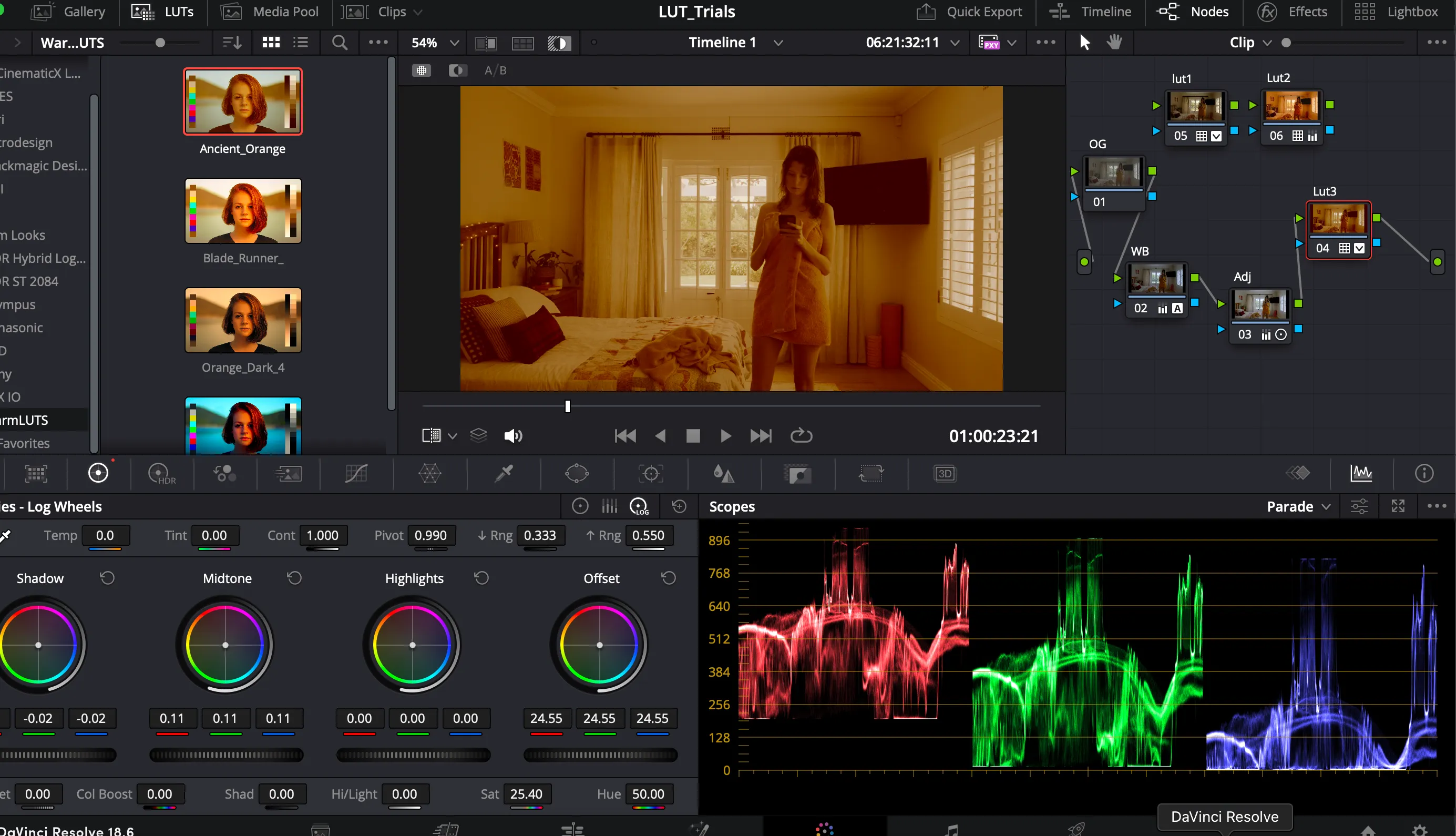
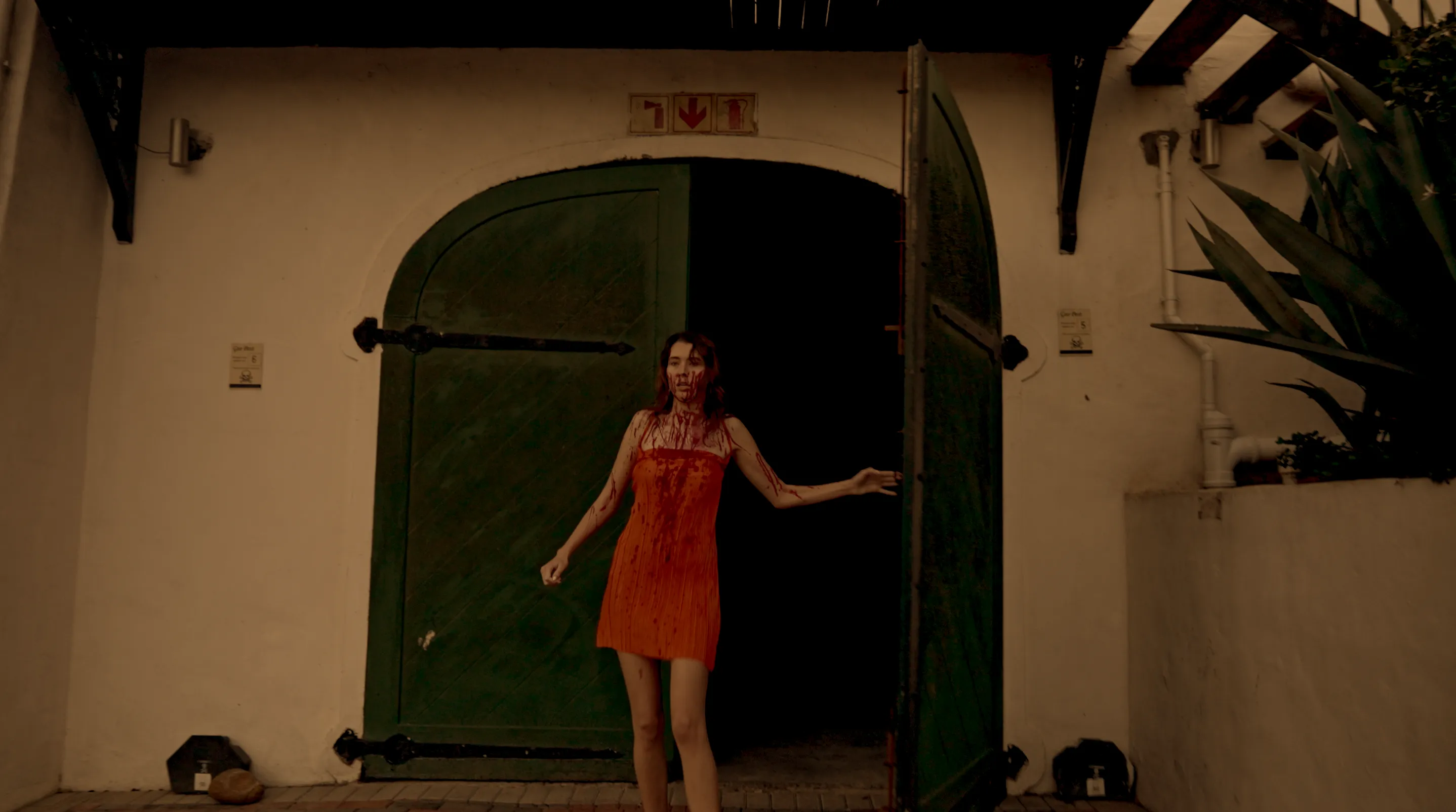
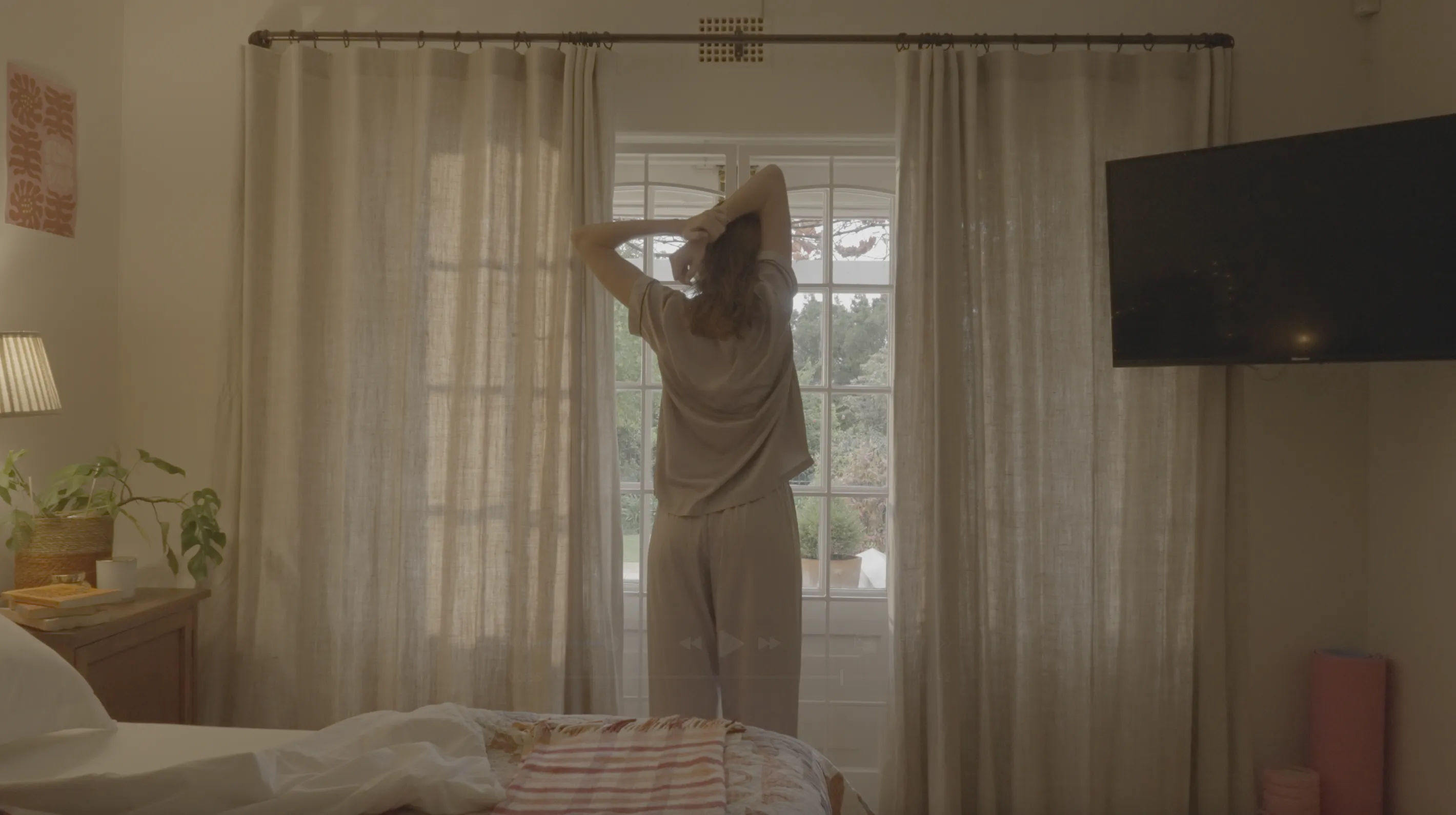
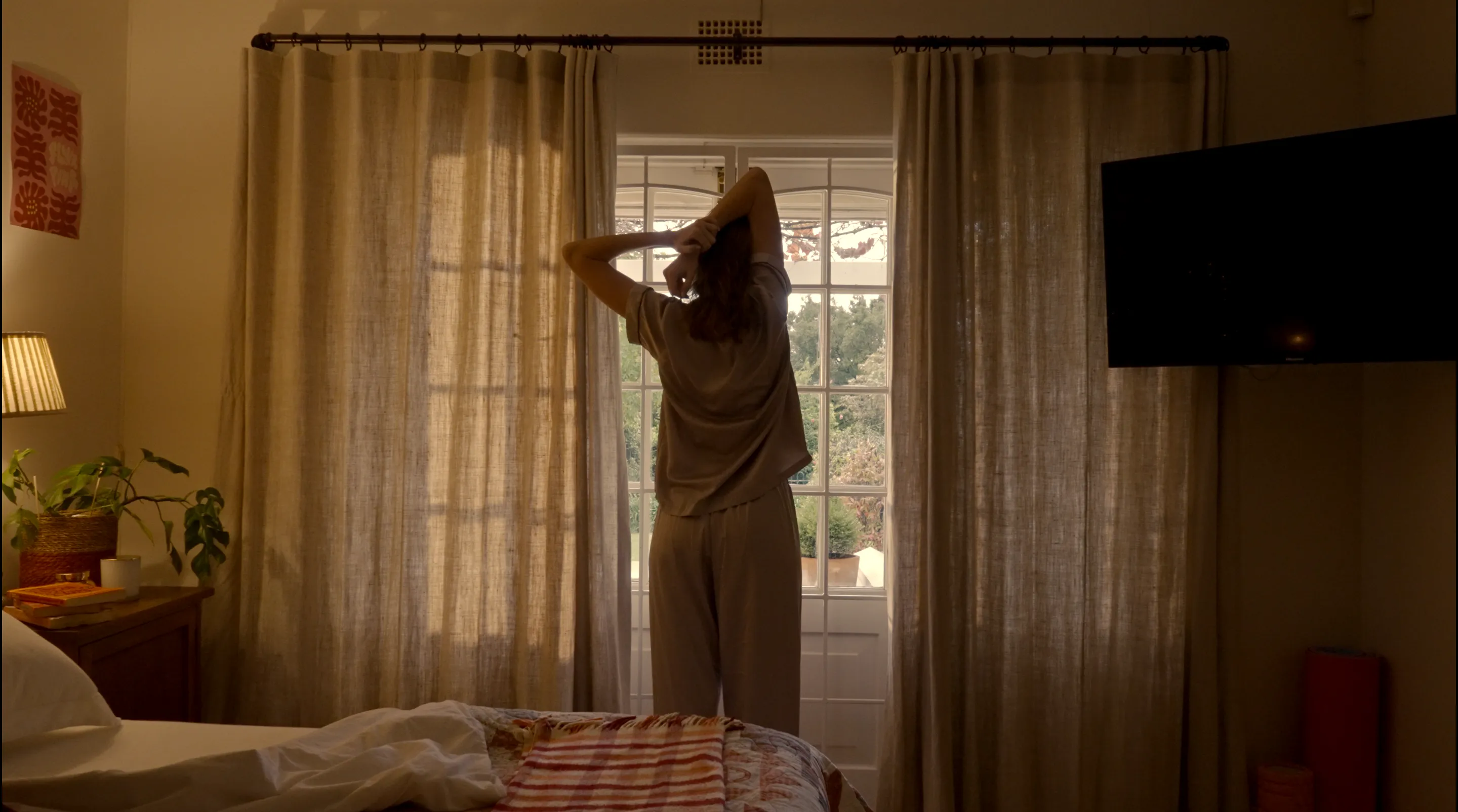
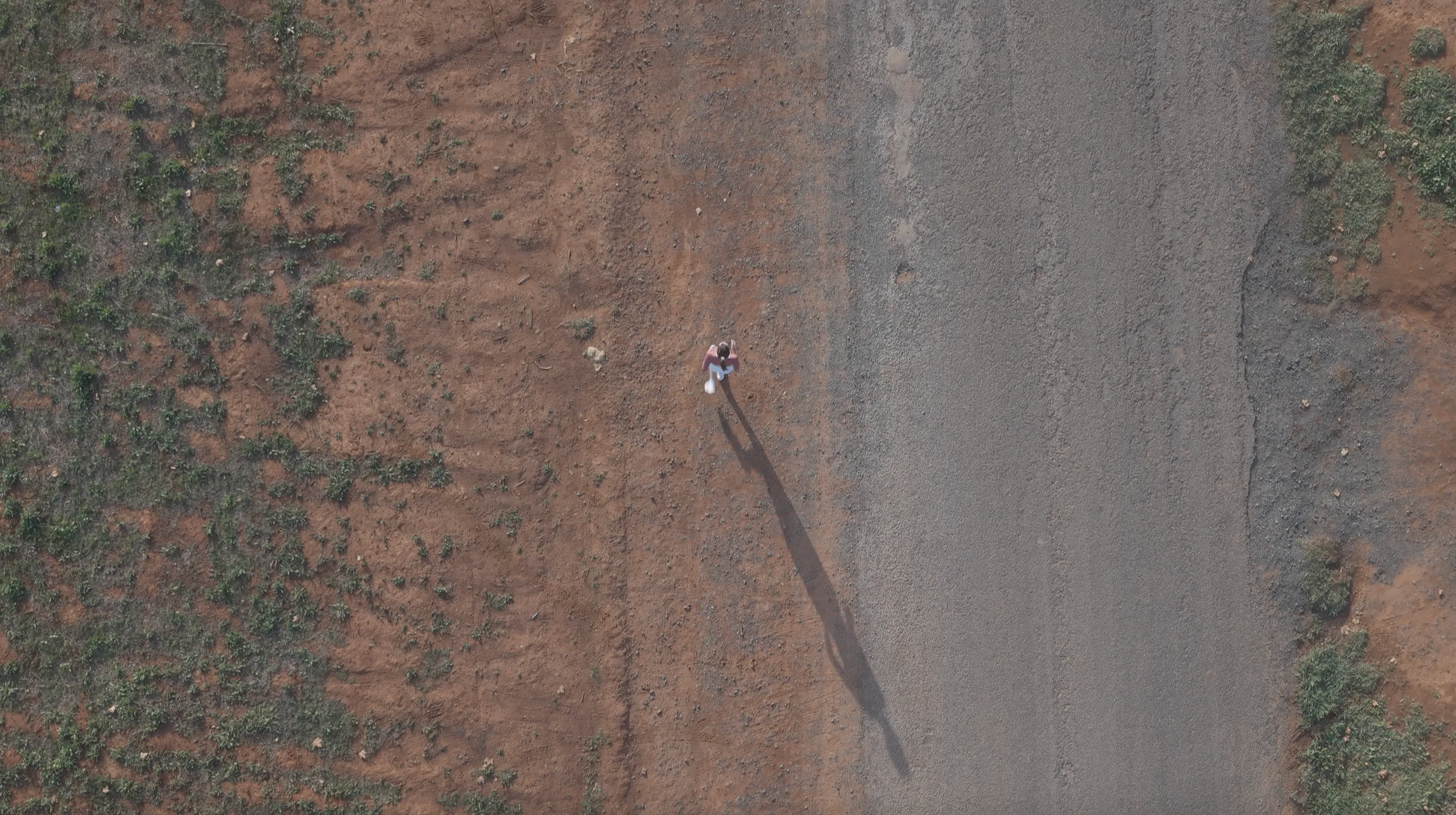
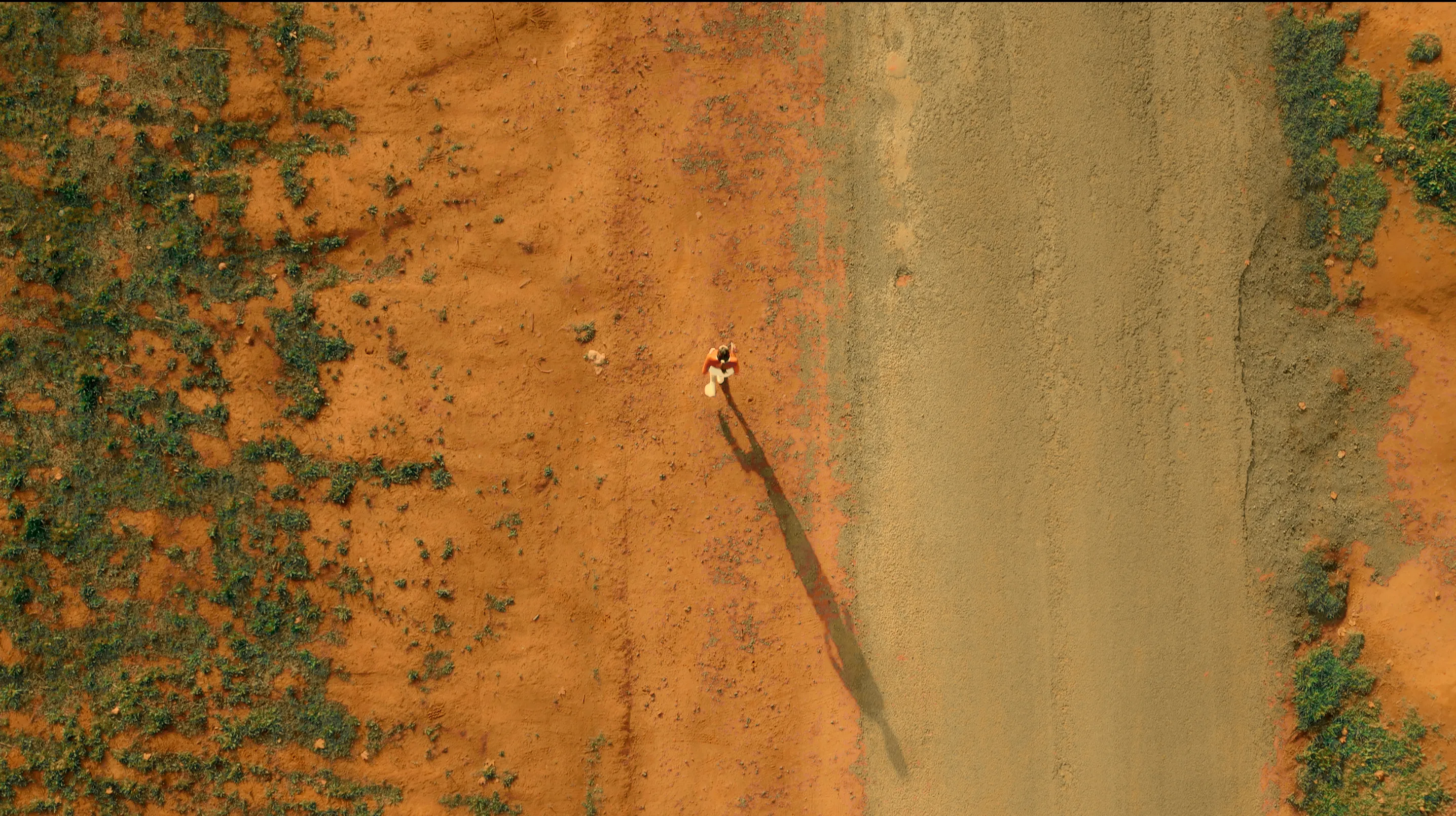
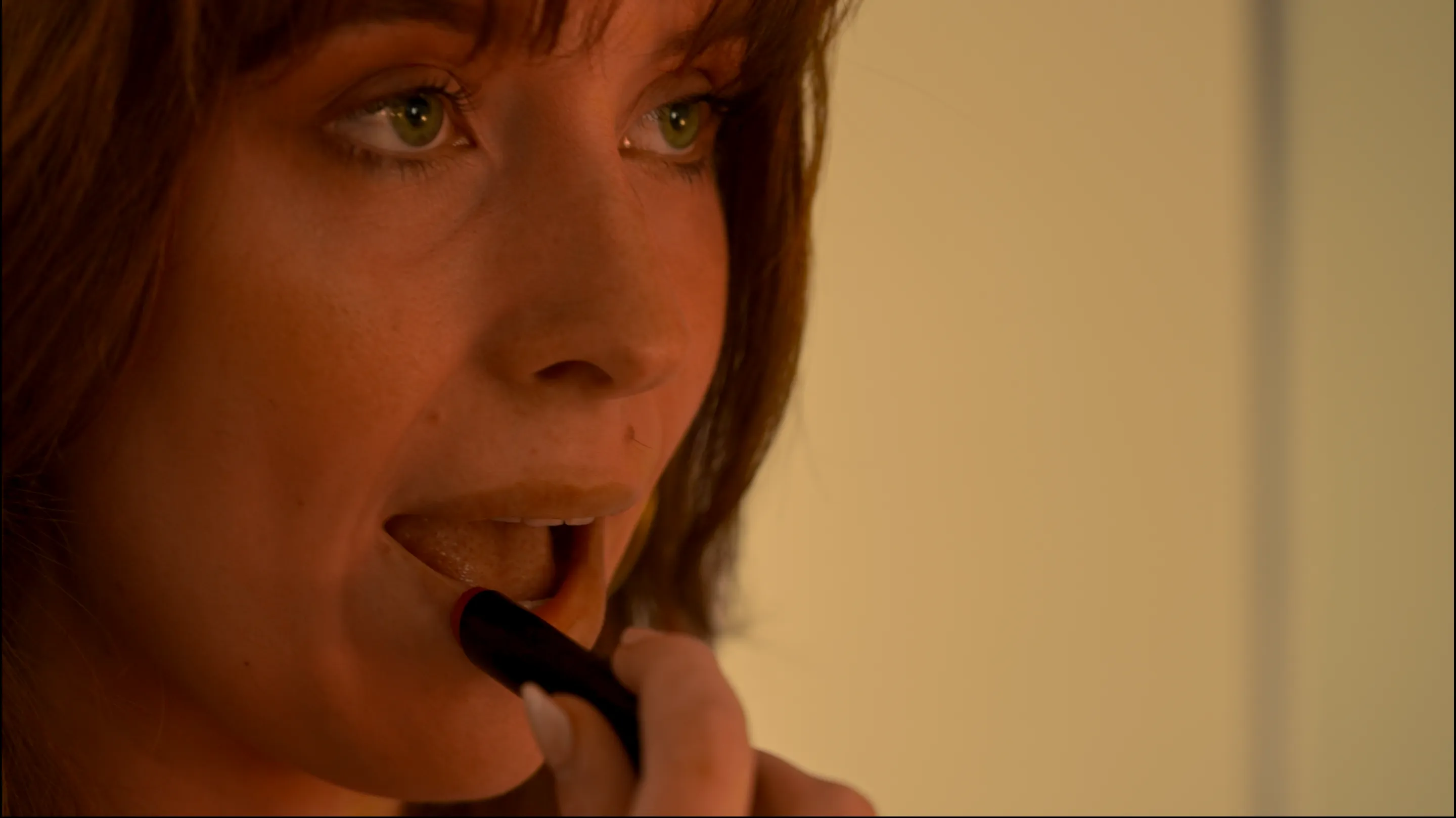
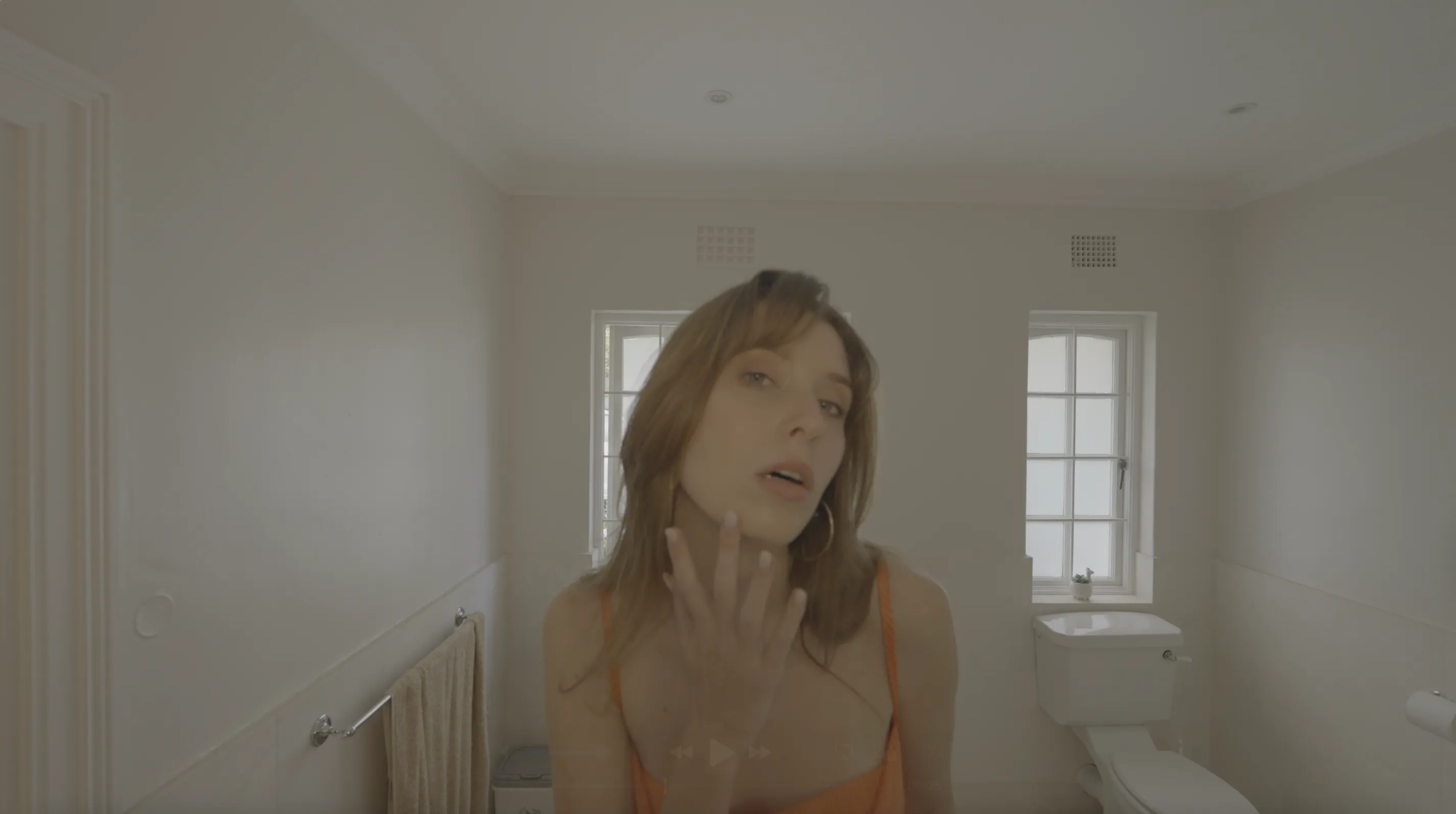
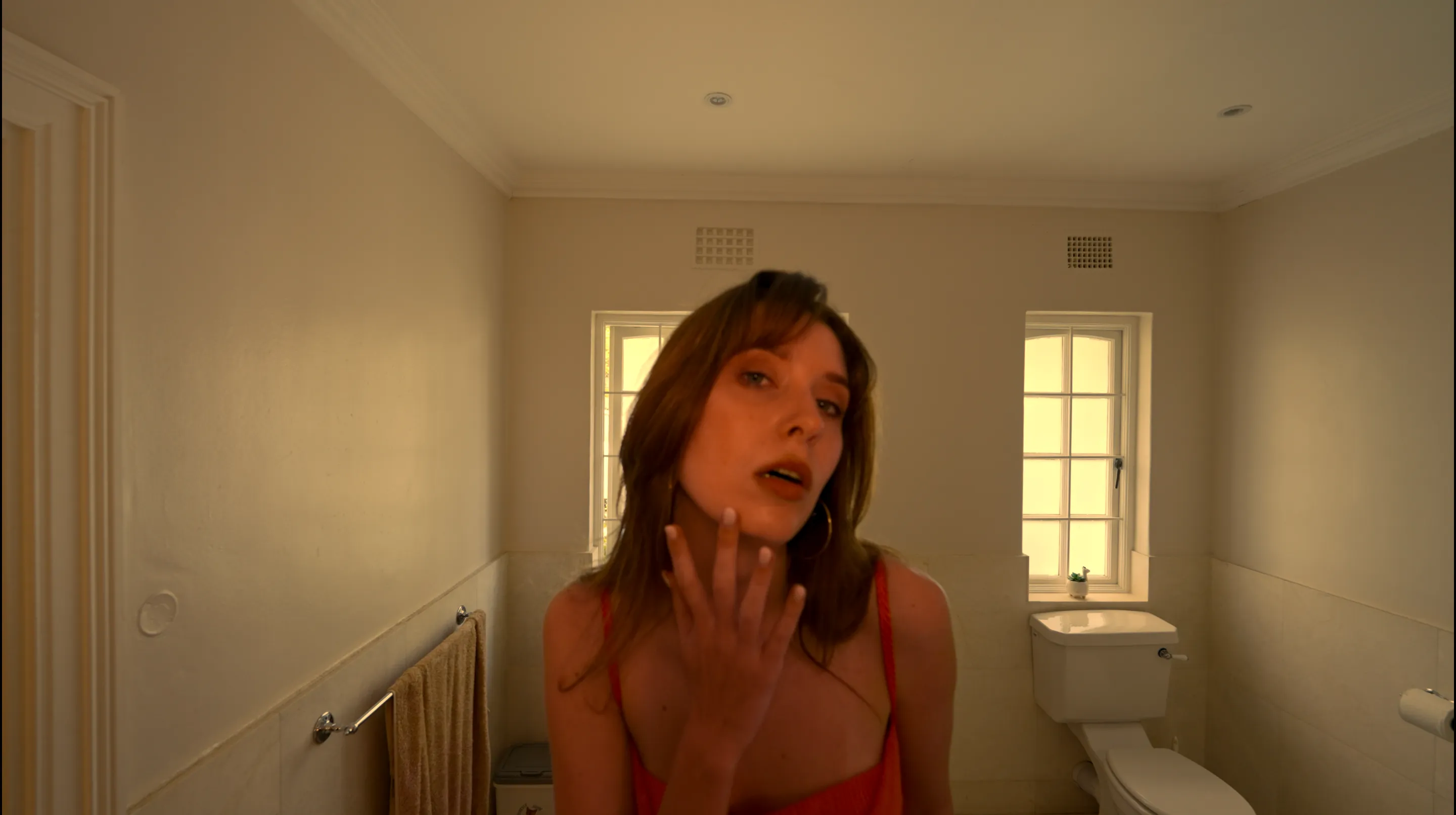
For the colour grading, each side of the split screen followed its own colour scheme to help separate the two perspectives. I worked on the left side, which carried a warmer tone to reflect Mira's world and emotions. I experimented with several different grading styles and tonal variations before finding a balance that looked cinematic but still felt natural. The process took a lot of trial and error adjusting contrast, temperature, and saturation until the overall tone fit the mood and tension of the story. The final grade gave the footage depth and atmosphere while clearly distinguishing it from the cooler tones on the other side of the screen.
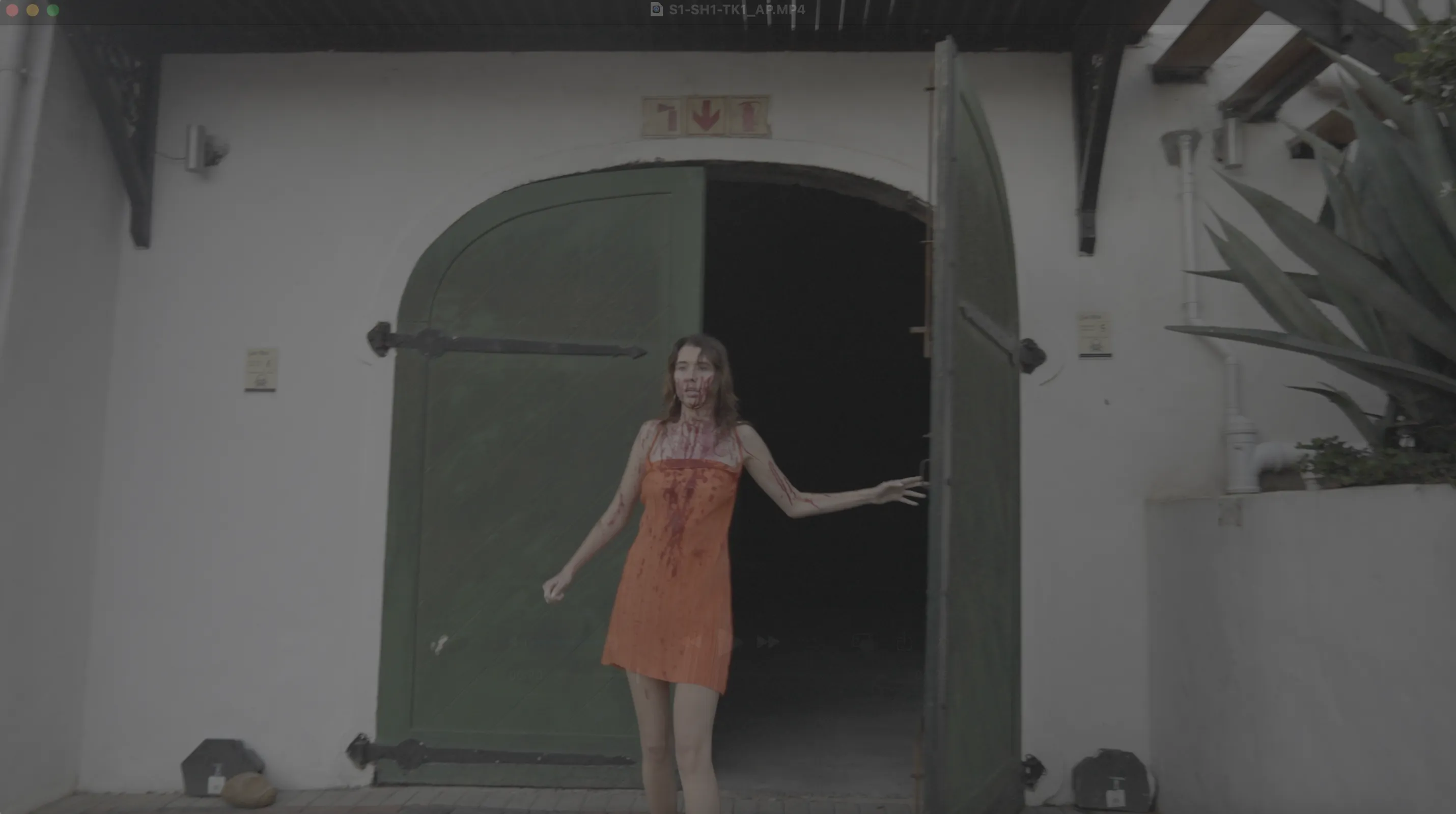
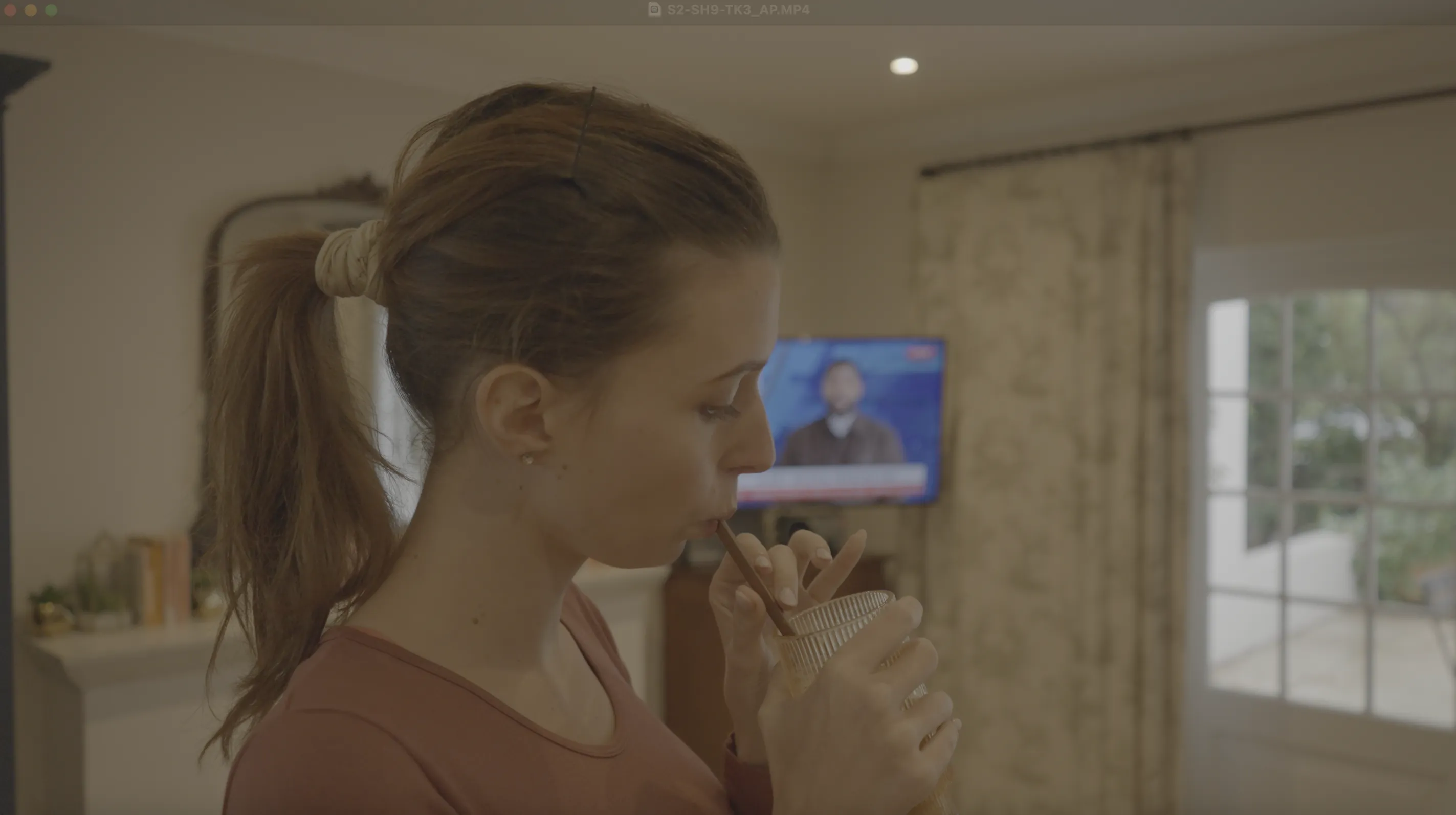
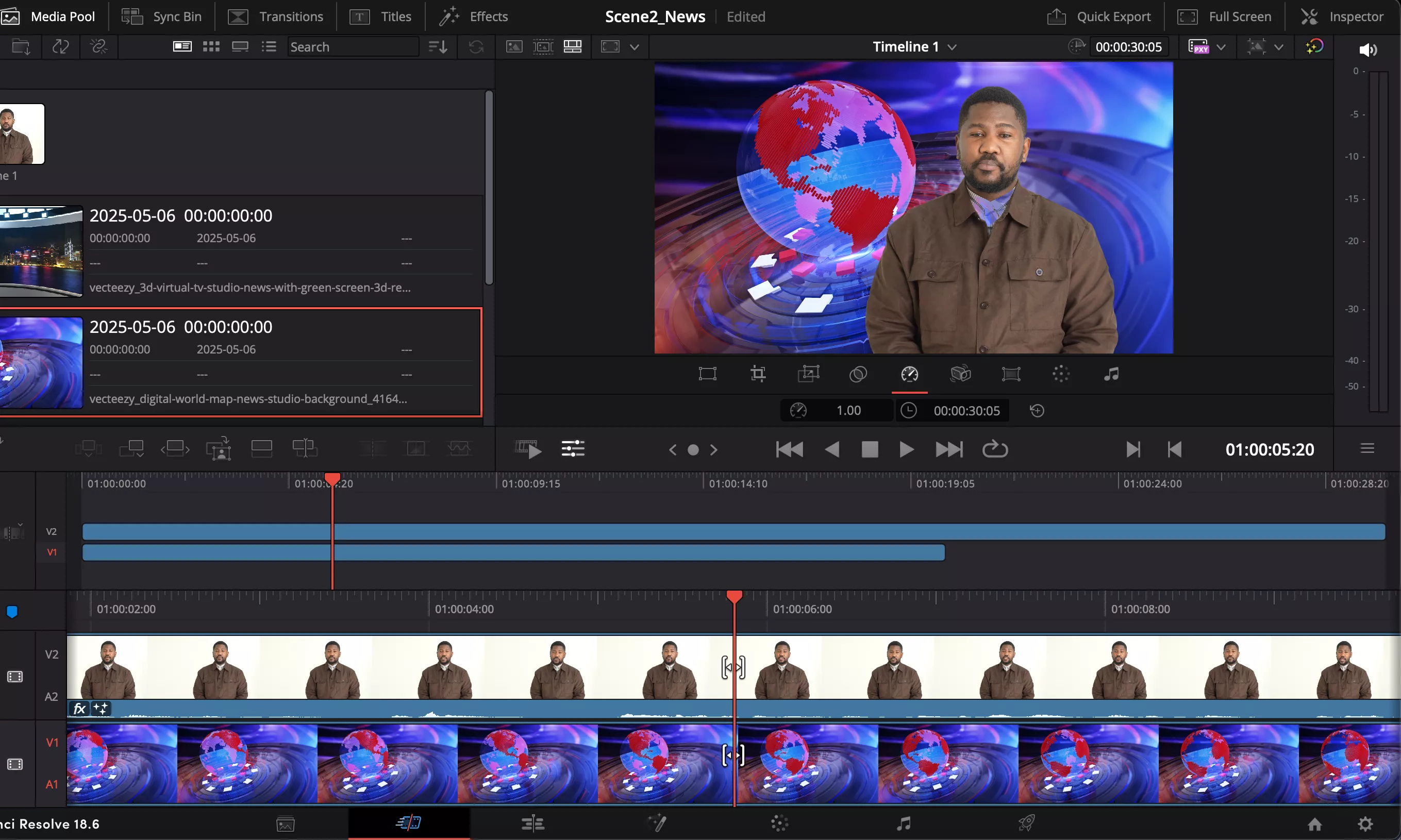
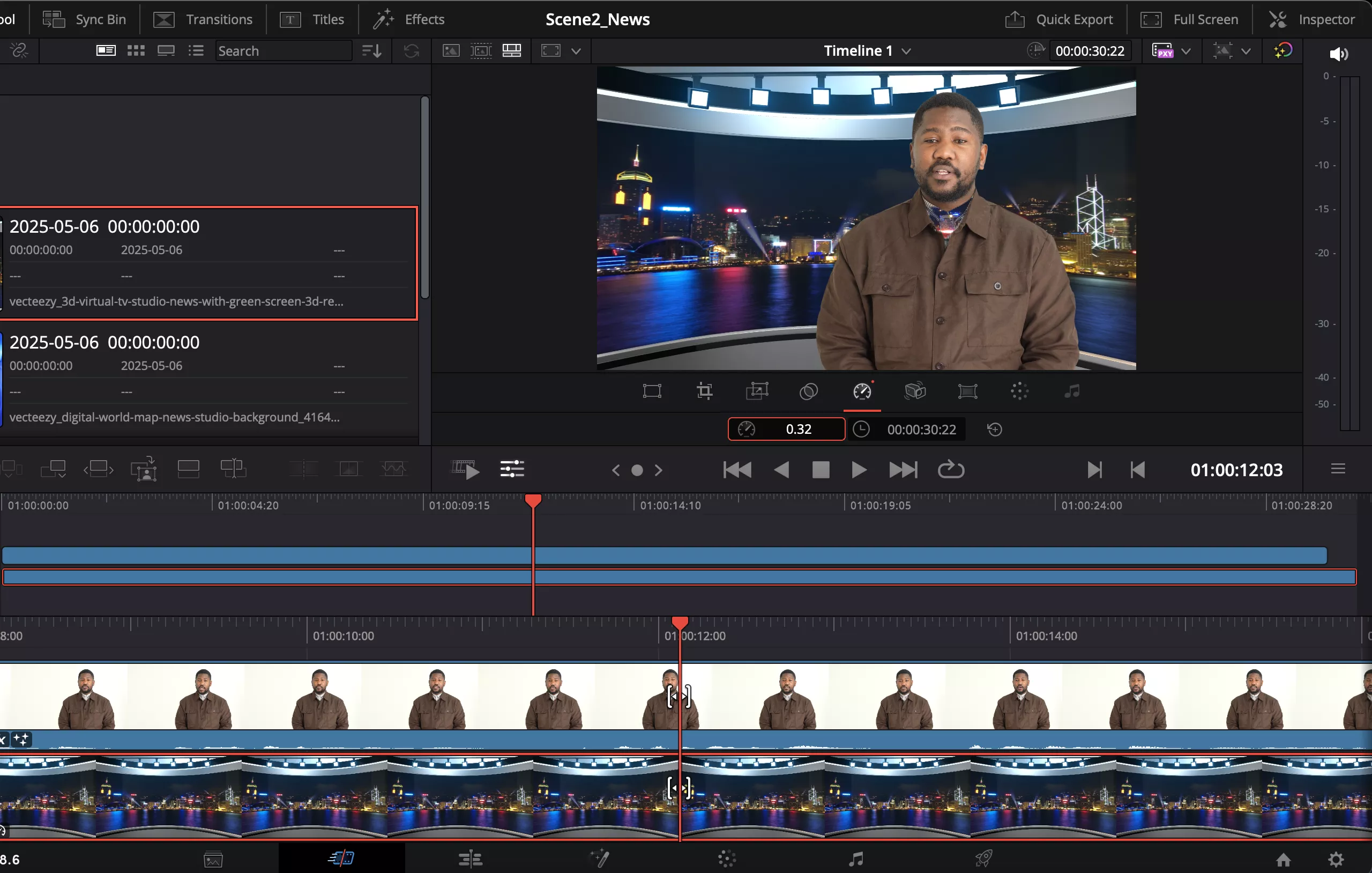
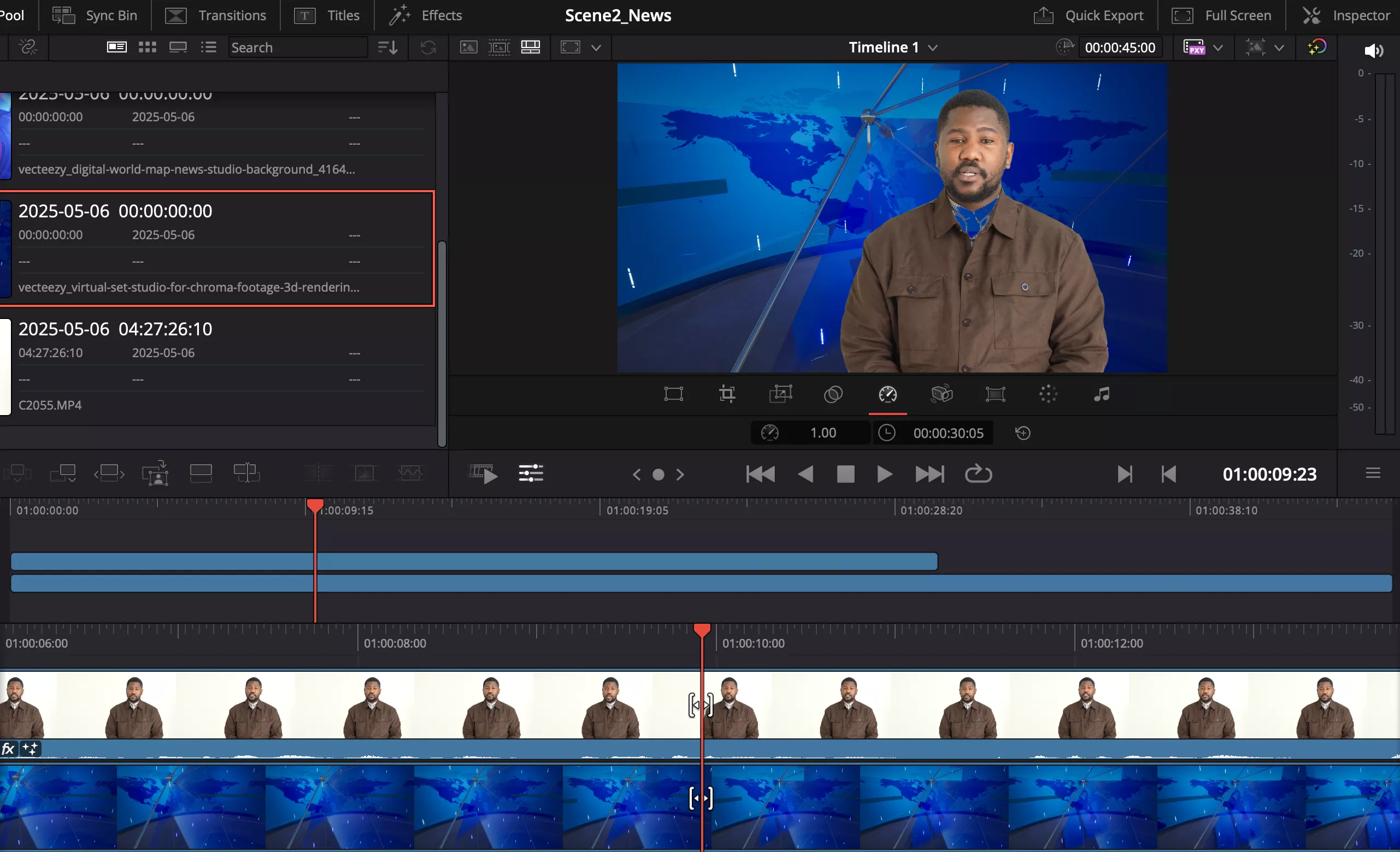
For this part of the project, we filmed a staff member delivering news lines and I edited the footage to resemble a realistic live news broadcast. Since we didn't have a green screen, I simulated one by compositing a news-style background video behind the subject. I also designed and animated on-screen elements such as the "LIVE" icon and a scrolling news ticker to enhance the authenticity of the broadcast.
"Surrealism is destructive, but it destroys only what it considers to be shackles limiting our vision." - Salvador Dalí
Drag to move snail