LEVEX
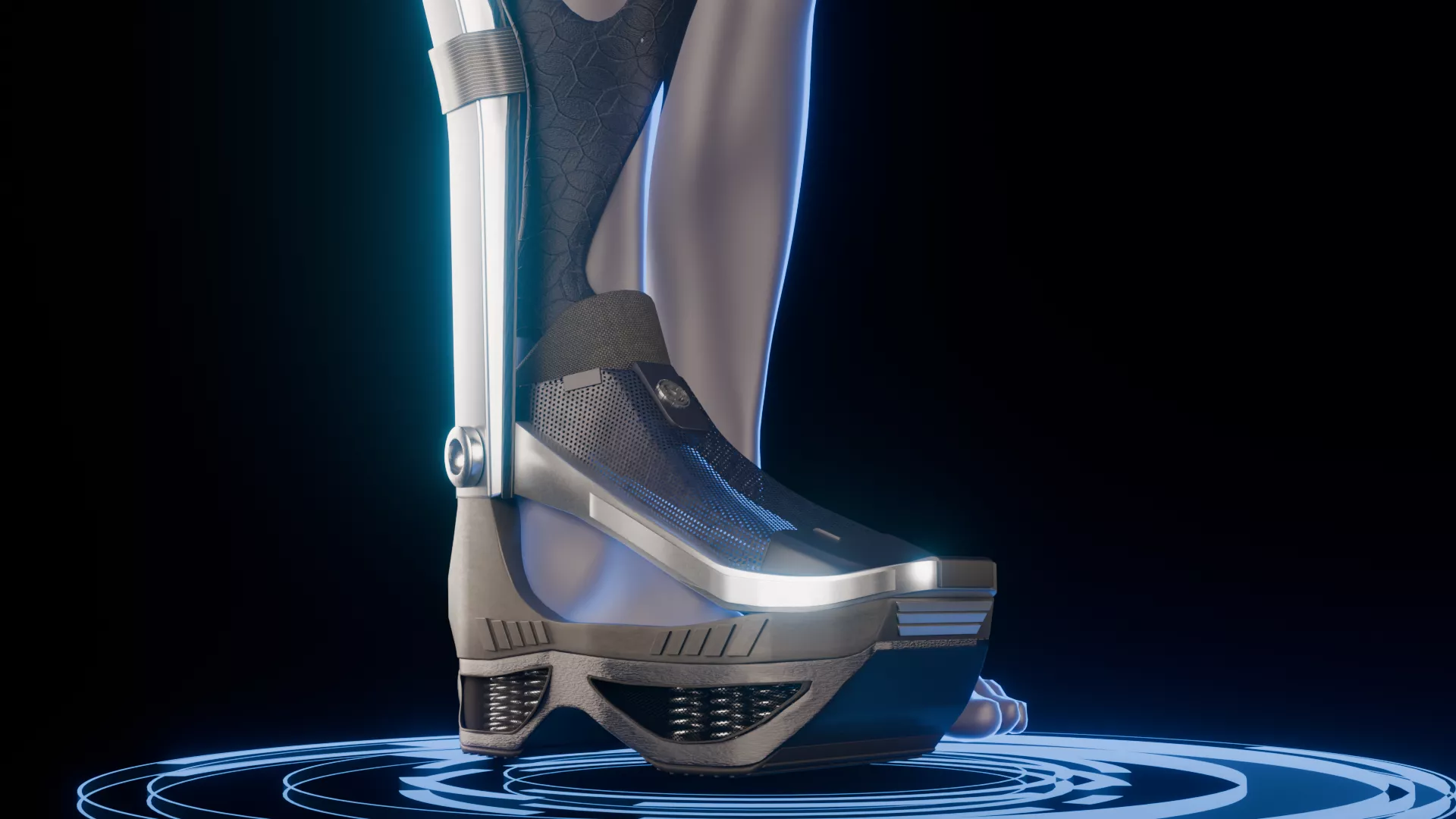
Levex comes from the word levitate, symbolising lift, lightness, and elevation. It represents the unique magnetic levitation that the device incorporates.
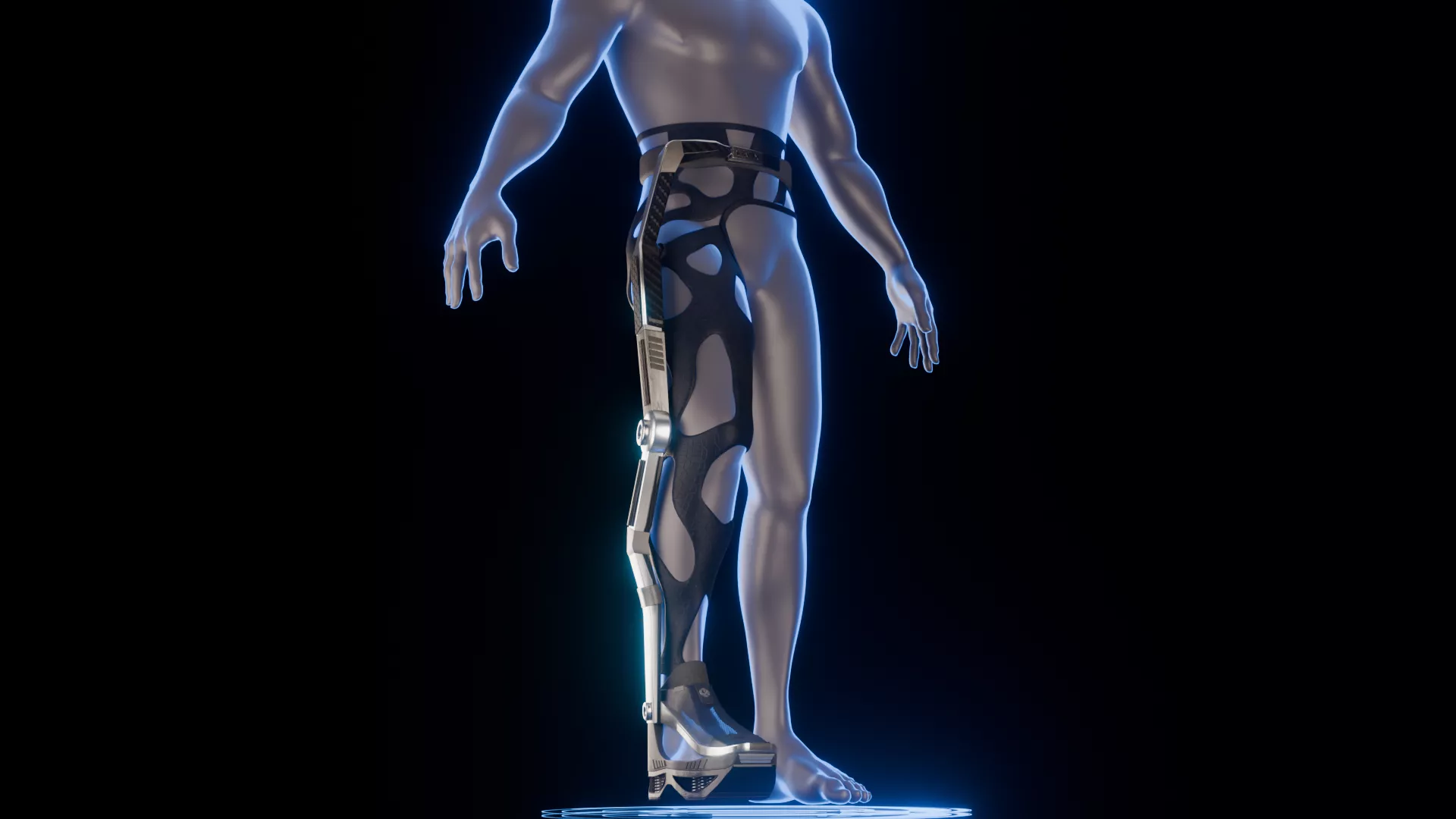
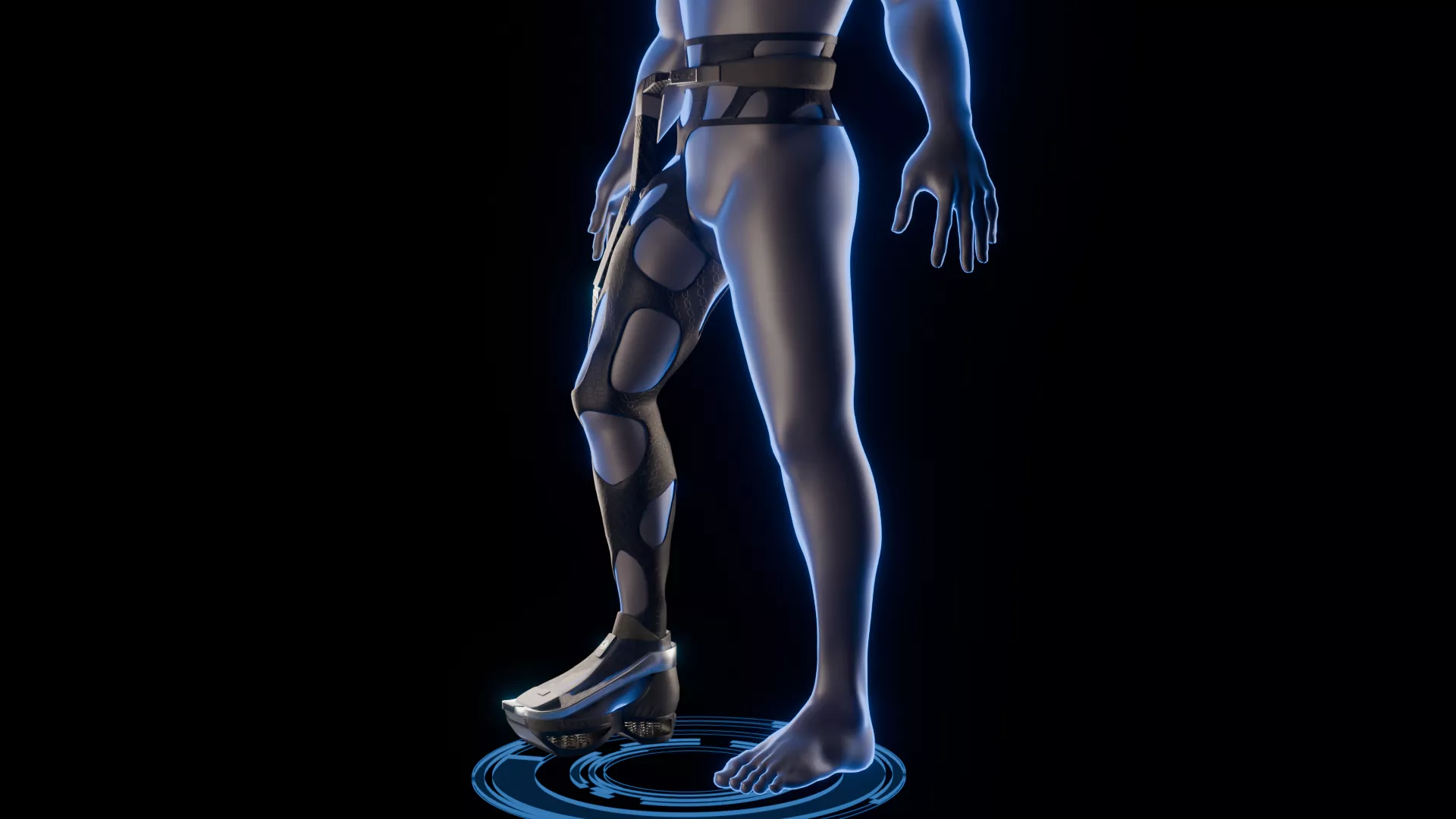
Levex is a futuristic bionic brace designed to redefine mobility and rehabilitation. Combining magnetic levitation, kinetic energy generation, and sustainable materials,
Levex reduces strain on the body while restoring freedom of movement. It merges medical innovation with modern design a symbol of recovery, balance, and independence.
Designer, Researcher, and Developer
Problem solving, Wireframing, UI/UX Design, Blender Modelling, Video Editing
6 weeks
Scroll on section
Traditional crutches often cause secondary injuries such as nerve damage, shoulder strain, and fatigue due to poor weight distribution and repetitive upper-body loading. These limitations restrict mobility and slow recovery, especially for individuals with long-term lower-limb conditions.
Scroll on section
Design a 3D digital product that improves or assists human life through innovative design and technology. The product must exist as both a 3D model prototype and an interactive digital user interface.
Scroll on section
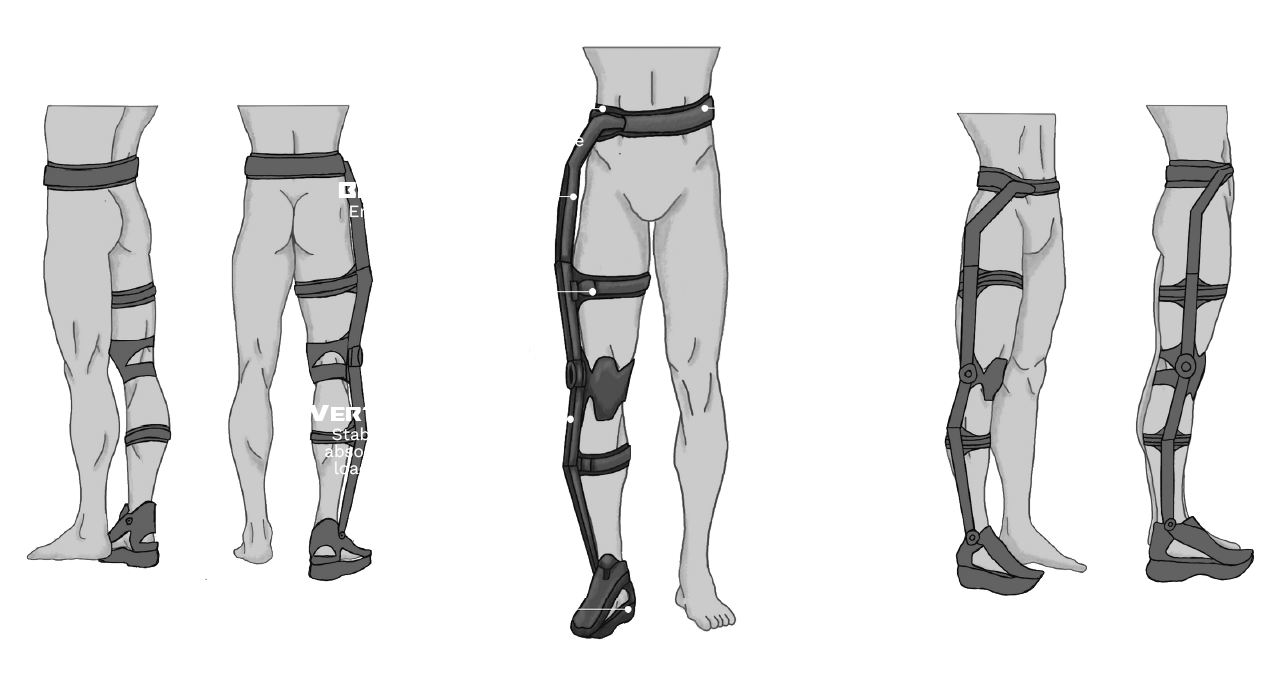
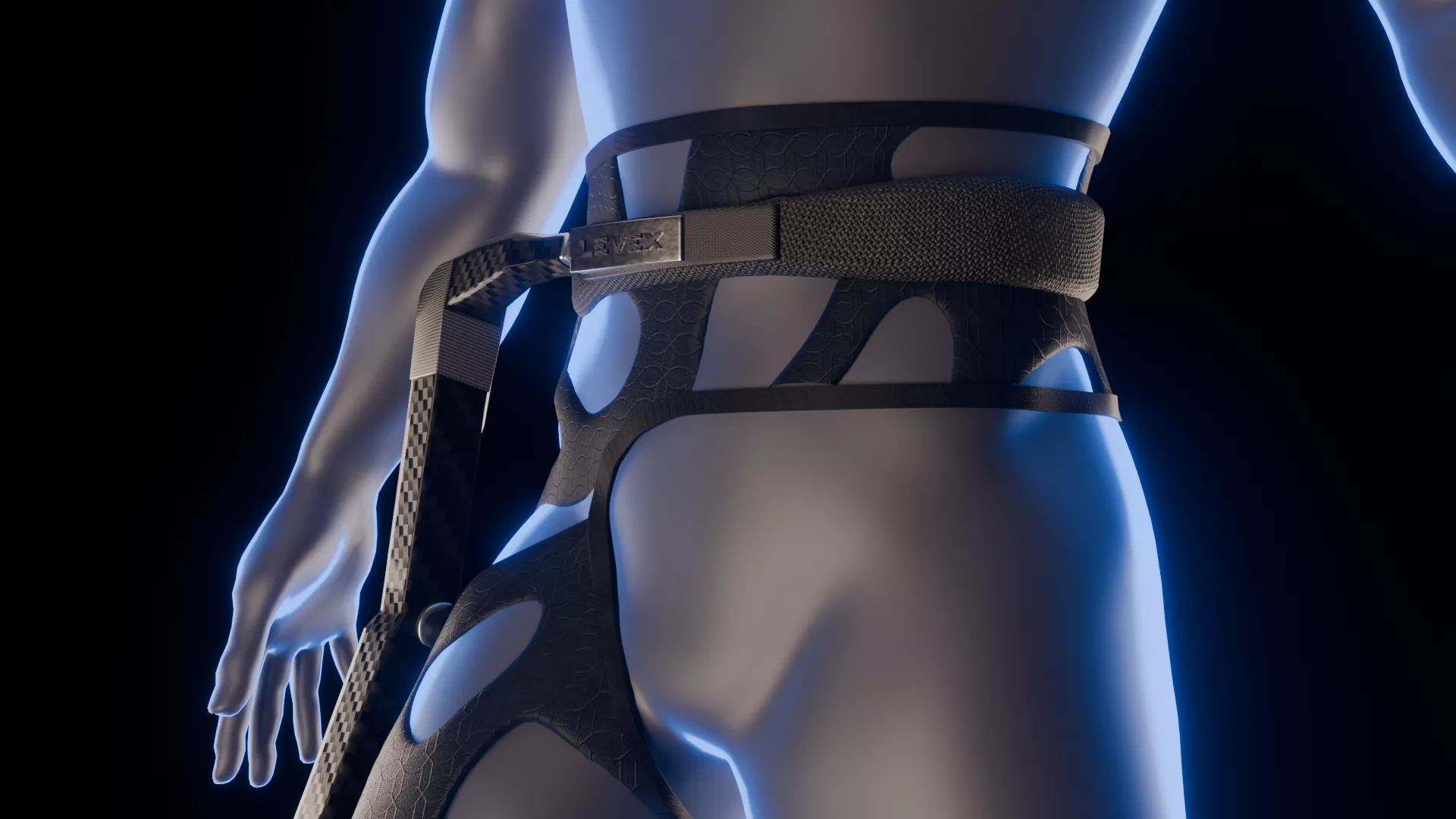
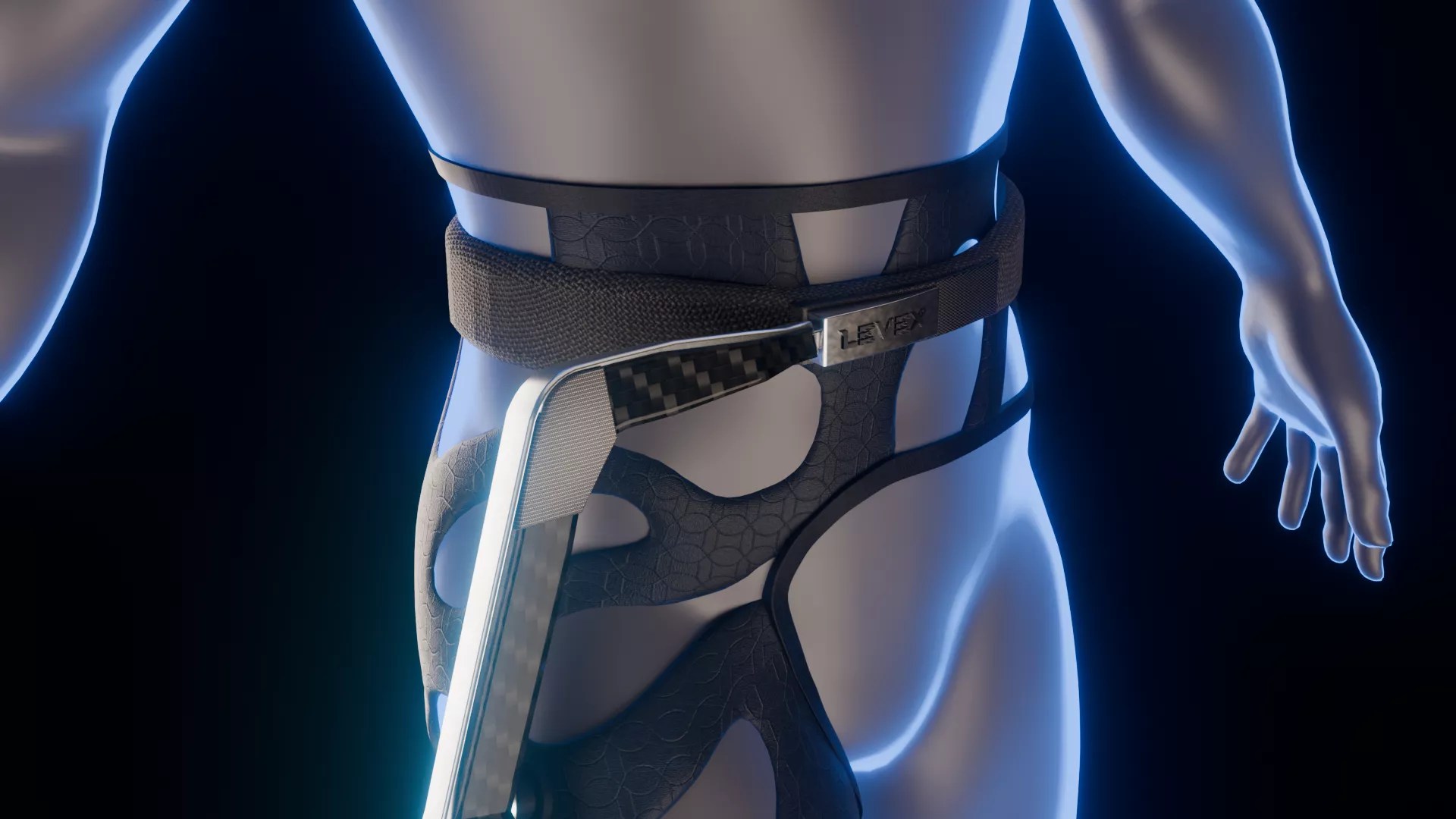
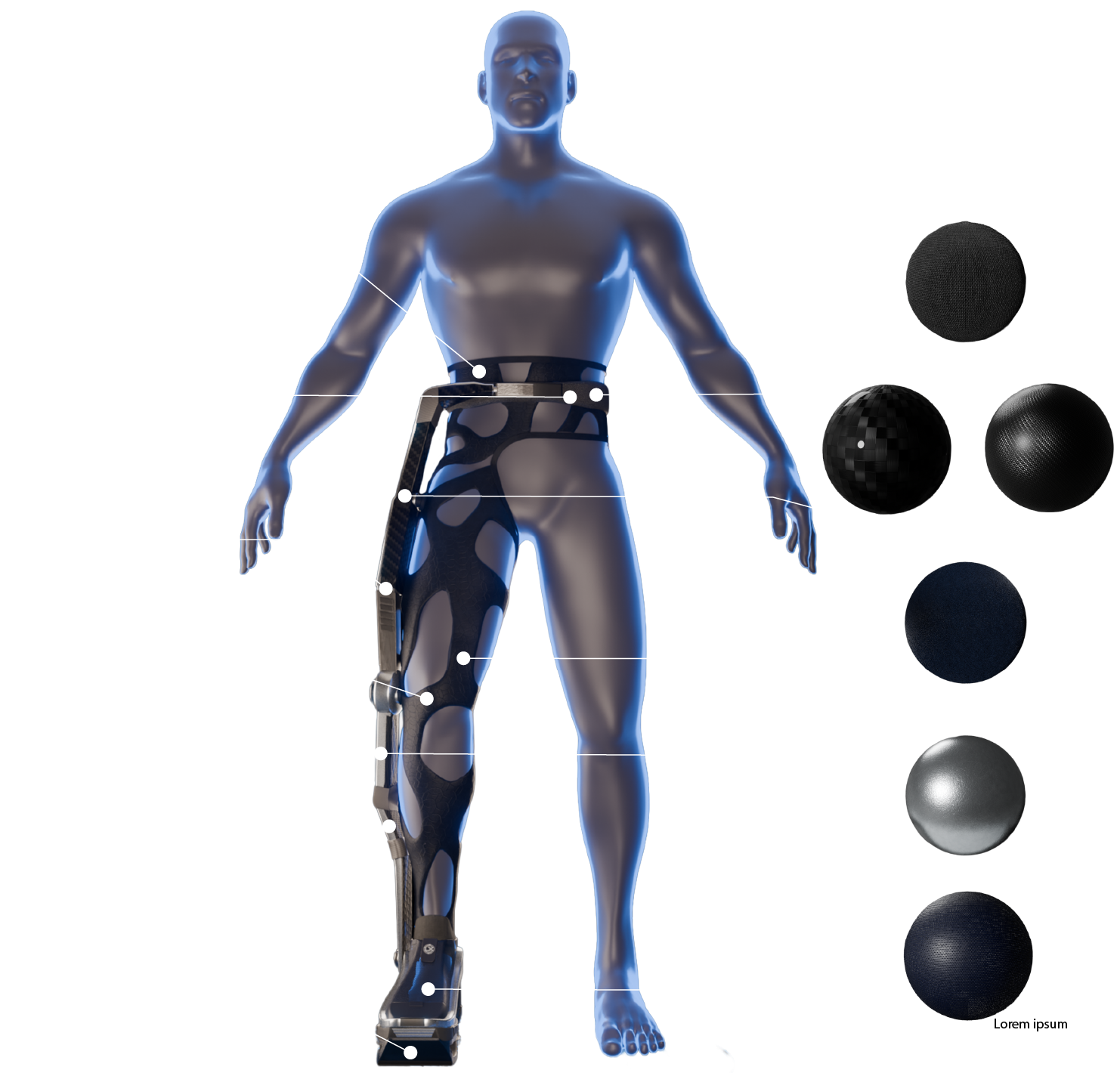
Levex is a bionic exoskeleton and brace designed to support mobility and rehabilitation. It redistributes pressure away from the injured leg using magnetic levitation and shock absorption systems, while a connected mobile app tracks movement, monitors posture, and allows for personalised settings. Levex bridges futuristic technology with human-centred design, showcasing innovation in both product and interface development.
Scroll on section
Individuals recovering from lower-limb injuries, people living with mobility challenges, and professionals in rehabilitation and assistive technology. The project also targets design audiences interested in the intersection of technology, healthcare, and multimedia innovation.
Levex aims to reduce crutch-related injuries by redistributing weight for safer, more comfortable mobility. Levex enhances stability and independence through innovative, user-friendly, and inclusive design, raising awareness about the physical strain caused by traditional crutches and the need for better alternatives.
Develop an advanced 3D prototypes that shift load from the upper limbs to the torso and hips. The design features spring-assisted shock absorption, partial magnetic lift, and responsive bionic support through muscle and nerve sensors. Levex aims to reduce fatigue, enhance mobility, and promote innovative, future-forward mobility solutions.
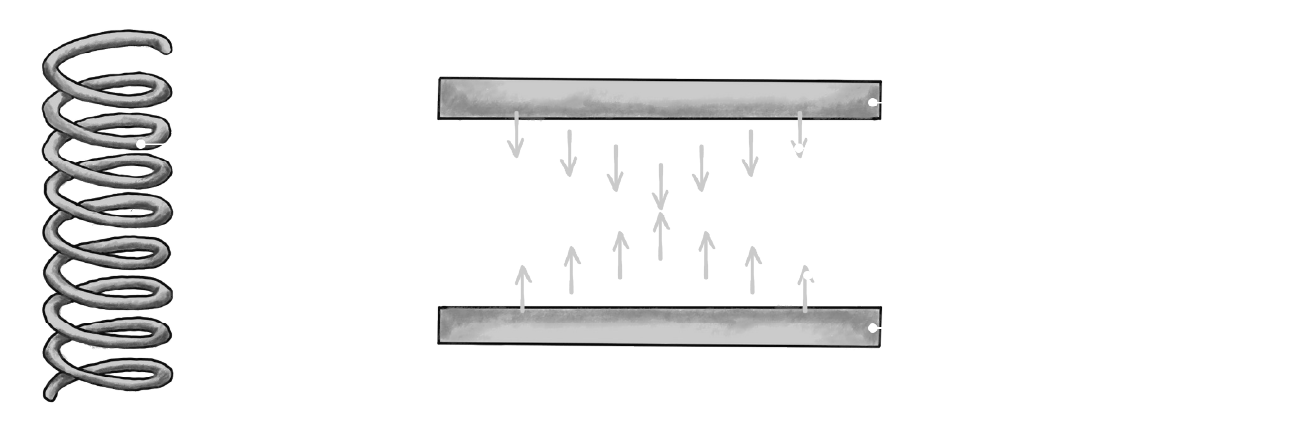
Magnetic Levitation uses strong magnetic fields to lift and support objects so they don't touch a surface, which eliminates friction from contact.
The physics of levitation and minimal contact inspired Levex's principle of weight being redistributed and supported.
Shock absorption involves materials or mechanisms that absorb and/or dissipate energy when there's an impact, rather than transmitting full force to the user.
Within Levex, shock absorption supports the goal of minimising secondary injuries by limiting harsh impacts.
Bionic limbs merge mechanical components with sensors, electromechanical parts, or neural interfaces to replicate or augment natural limb behaviour.
Levex's integration of bionic limbs allows for controlled movement alongside active support.



Levex comes from the word levitate, symbolising lift, lightness, and elevation. It represents the unique magnetic levitation that the device incorporates.
The UI's look and feel is futuristic and professional, using a cool-toned colour palette that reinforces its medical focus while maintaining a sleek, innovative aesthetic.
Hover over image to reveal more
DRAG TO REVEAL MORE
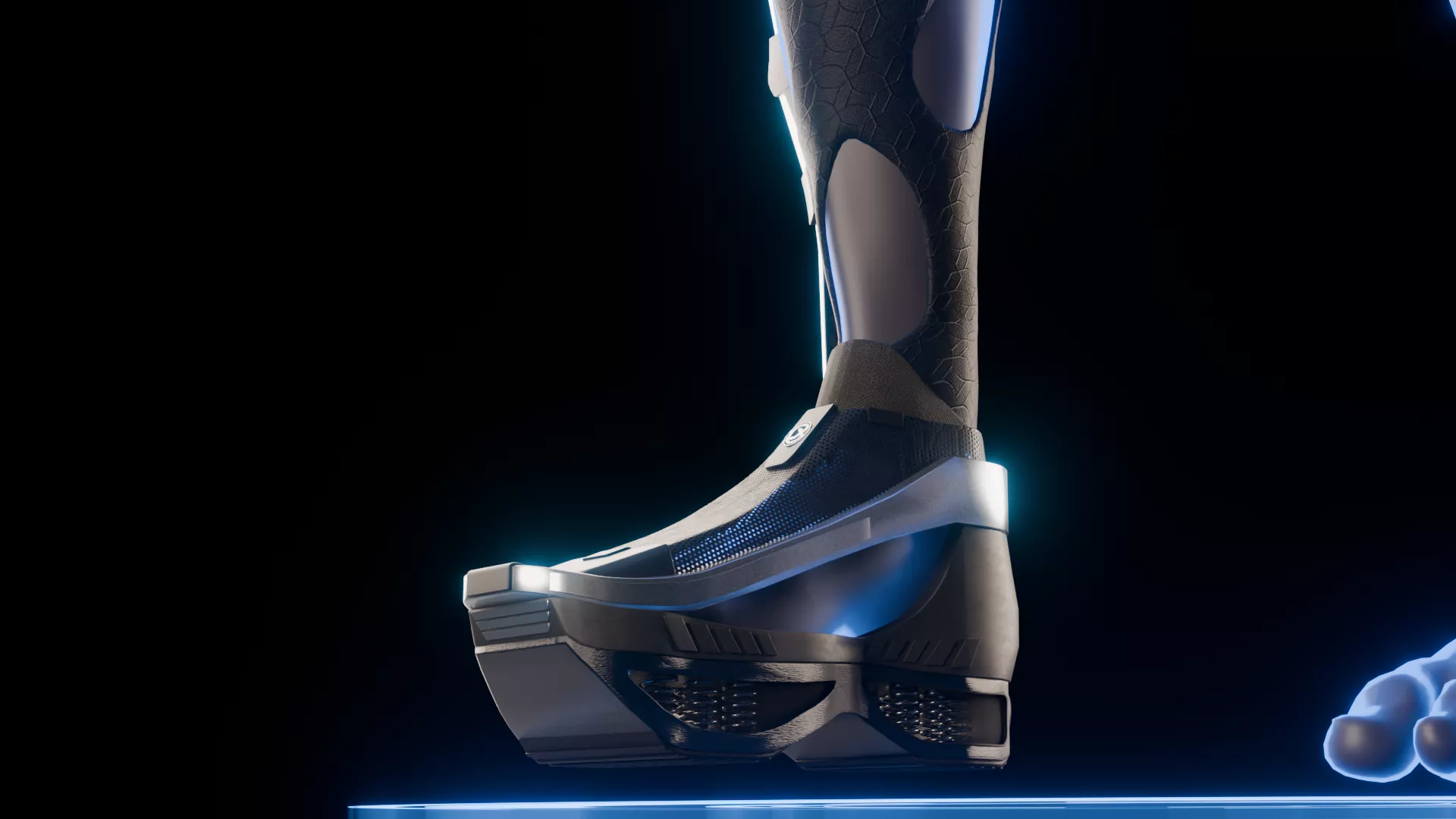
The Levex interface is designed to make recovery simple and intuitive. It gives users full control over the device from adjusting the knee rotation and shock absorption to customizing the magnetic force as they heal. The app connects directly to a physiotherapist, tracking progress and sharing updates in real time.
The interface includes onboarding, home, device control, health, and settings pages each focused on clarity and ease of use. The clean layout and smooth interactions make navigating effortless, while the kinetic battery ensures the device stays powered through movement. Levex's UI and UX work together to create a smart, responsive experience that supports recovery every step of the way.
The home page acts as the central hub for real-time tracking and monitoring. It displays key metrics such as step count, weight offload, knee rotation, posture alignment, shock absorption, and magnetic force giving users a complete overview of their mobility progress.
The control page gives users complete control over their Levex device, allowing them to fine-tune key functions such as knee rotation, shock absorption, and magnetic force.
The health page tracks your rehabilitation journey, with dedicated sections for monitoring progress, accessing physio mode, receiving direct notes from your physiotherapist, and sending your own updates through user notes.
The settings page gives you full control over your device, including Bluetooth connection, battery and power management, emergency features, cloud sync and backup, personal profile (age, weight, injury type, mobility goals), as well as permissions for medical records, external applications, and accessibility options.
"Surrealism is destructive, but it destroys only what it considers to be shackles limiting our vision." - Salvador Dalí
Drag to move snail